
Keeping the immune system balanced is essential to prevent infections and maintain daily energy. Scientific research has shown that a specific combination of vitamin D3, B6, and zinc helps strengthen the body’s natural defenses by acting on different immune mechanisms.
Understanding how these nutrients work — and how to obtain them — can make the difference between a reactive immune system and a truly strong one.
How the Immune System Works and Why It Needs Vitamins
The immune system is the biological network that protects the body from viruses, bacteria, and toxins. It consists of specialized cells, tissues, and molecules that work together to detect and neutralize foreign agents.
For this system to function properly, it requires energy and essential nutrients to produce antibodies, lymphocytes, and antioxidant enzymes. When these nutrients are lacking, the immune defenses weaken, making the body more vulnerable to infections, allergies, or persistent fatigue.
Vitamins and minerals are the raw materials of effective immunity. Each plays a specific role in this complex defensive system.
Vitamin D3: The Essential Immune Modulator
Known as the “sunshine vitamin,” vitamin D3 acts as a true regulator of the immune system. It not only helps the body absorb calcium and maintain strong bones but also directly influences the activity of T lymphocytes — the cells responsible for identifying and eliminating pathogens.
In addition, vitamin D3 promotes the production of antimicrobial peptides, small proteins that destroy viruses and bacteria before they spread. It also helps regulate inflammation, preventing excessive immune responses that could harm tissues.
A deficiency — common in populations with limited sun exposure — is associated with a higher risk of respiratory infections and weaker vaccine responses.
The best natural source is moderate sunlight exposure, though D3 can also be obtained from foods such as fatty fish, eggs, fortified dairy products, and, when necessary, professionally supervised supplements.
Vitamin B6: Key to Antibody Production and Cellular Energy
Vitamin B6 plays a central role in the energy metabolism of immune cells. It contributes to the synthesis of antibodies, the proteins that neutralize viruses and bacteria, and supports the formation of red blood cells, which deliver oxygen to all tissues.
A deficiency can reduce lymphocyte response and cause physical and mental fatigue, as the immune system consumes large amounts of energy when active. Maintaining good B6 levels strengthens resistance to infection and supports daily vitality.
It is naturally found in fish, legumes, bananas, poultry, and nuts, and a balanced diet is usually enough to meet the body’s needs.
Zinc: The Mineral That Coordinates the Body’s Defenses
Zinc is an essential mineral that acts as a cofactor in more than 300 enzymatic reactions. Within the immune system, it plays a coordinating role: it stimulates lymphocyte maturation, supports wound healing, and protects cells against oxidative stress.
Zinc deficiency may manifest as recurrent infections, delayed wound healing, or loss of taste and smell. It can also impair vaccine effectiveness and slow tissue regeneration after illness.
The richest sources of zinc include lean meats, seafood, whole grains, and nuts. Maintaining adequate zinc intake is especially important during periods of growth, aging, or prolonged stress.
The Synergy Between Vitamin D3, B6, and Zinc: A Scientifically Backed Combination
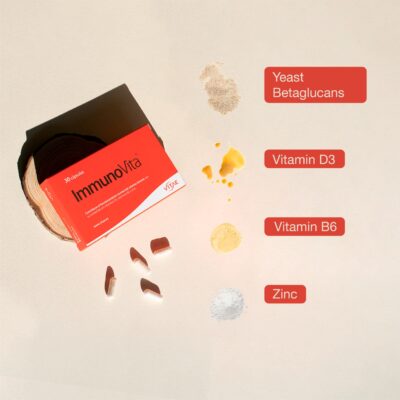
While each of these micronutrients has its own role, the combination of vitamin D3, B6, and zinc creates a synergistic effect that enhances immune efficiency.
- Vitamin D3 regulates lymphocyte activation and the production of antimicrobial peptides.
- Vitamin B6 supports antibody synthesis and energy production for immune function.
- Zinc stabilizes immune cells and enhances communication between them.
Together, these nutrients strengthen both innate immunity (the body’s first, rapid defense) and adaptive immunity (the immune memory that protects us long-term).
Clinical studies suggest that their combined intake may help reduce the incidence and duration of mild respiratory infections, especially during the winter months or in individuals with nutritional deficiencies.
For this reason, many immune-support formulas combine exactly these three nutrients to maximize their complementary actions.
How to Obtain These Vitamins and Minerals Naturally
A varied diet is the best way to ensure adequate daily intake of these micronutrients. However, certain factors — such as age, stress, or lack of sunlight — can increase the body’s nutritional needs.
Recommended Natural Sources
- Vitamin D3: fatty fish (salmon, sardines, mackerel), eggs, fortified dairy, and safe sun exposure.
- Vitamin B6: legumes, poultry, turkey, bananas, avocados, and nuts.
- Zinc: lean meats, shellfish, pumpkin seeds, whole grains, and legumes.
During periods of greater demand — such as winter, times of stress, or recovery after illness — responsible supplementation under professional guidance can be considered.
The goal is not to replace food, but to complement it and maintain immune balance when diet alone may be insufficient.
Vitamins to Boost the Immune System: When Reinforcement Helps
There are times when the body needs extra support. Seasonal changes, chronic stress, lack of sleep, or an unbalanced diet can all weaken immunity. In these cases, reinforcing nutrition with key vitamins and minerals helps restore immune balance and reduce the frequency of colds or mild infections.
The combination of vitamin D3, B6, and zinc stands out for its proven effectiveness and safety. It works on multiple levels of the immune system, enhances cellular energy, and promotes a faster, more efficient response to common pathogens.
It’s especially beneficial for people with demanding lifestyles, those over 50, or individuals with limited sun exposure.
Prevention, in this context, is the best strategy: it’s not about reacting when symptoms appear, but about keeping your defenses ready year-round.
Frequently Asked Questions About Vitamins and Immunity
Which vitamins are best for the immune system?
The most relevant are vitamin D3, vitamin B6, vitamin C, and the minerals zinc and selenium. Together, they support both innate and adaptive immunity.
Why combine vitamin D3, B6, and zinc?
Because they act on different mechanisms: D3 regulates immune response, B6 supports antibody production, and zinc maintains cell integrity and communication.
Can I get enough vitamin D through diet alone?
Not always. Sun exposure is the main source. During winter or in areas with limited sunlight, supplementation under professional supervision may be advisable.
Should I take immune-boosting supplements all year long?
Only in specific situations, such as nutritional deficiency, prolonged stress, or weakened immunity. The foundation should always be a balanced, nutrient-rich diet.
What happens if I consume too much zinc or vitamin D?
Excessive intake can cause imbalances. Always follow recommended doses and consult a professional to avoid adverse effects.
Conclusion: Balance, Nutrition, and Prevention
The immune system requires ongoing support to stay strong and responsive. The combination of vitamin D3, B6, and zinc has scientific backing for its ability to strengthen natural defenses, reduce fatigue, and optimize immune function.
Incorporating these nutrients through a healthy diet — or with responsible supplementation — is a safe and effective strategy to maintain your health throughout the year.
Prevention begins with everyday habits: sleeping well, eating balanced meals, staying active, and providing your body with the nutrients it needs to reinforce your defenses from within.