Every year, when the weather turns cold and school begins, school viruses spread through classrooms — and often into homes as well. Coughs, runny noses, fevers, and chain infections become part of the school calendar.
But there is a lot parents can do to prevent infections, act quickly when they occur, and strengthen the immune defenses of their children.
This practical guide explains how to avoid contagion, what to do when illness strikes, and which daily habits help boost the immune system of the whole family.
Why Children Catch So Many Infections at School
Schools are ideal environments for viruses to spread. Children spend many hours together, share materials, touch the same surfaces, and their immune systems are still developing.
During the colder months, classrooms are often closed and poorly ventilated, increasing exposure to viruses such as influenza, the common cold, and respiratory syncytial virus (RSV).
Pediatricians explain it clearly: children don’t get sick “more” than adults — they’re simply going through a learning process for their immune system. Each mild infection helps them develop defensive memory against future pathogens.
Common Questions About School Contagions
Why do children get colds so often?
Because their immune systems are still learning to recognize and fight new viruses.
Is it normal for children to get sick so often during the school year?
Yes. It’s part of the natural process of immune development.
Why do some children get sick more than others?
Diet, rest, outdoor time, and genetics all play a role. Daily habits make a real difference.
How to Stop School Viruses From Spreading at Home
Prevention is possible with simple routines, both at school and at home. The key lies in hygiene, ventilation, and regular habits.
Practical Steps to Prevent Infections
- Hand and object hygiene: teach children to wash their hands several times a day and not to share bottles, utensils, or masks.
- Daily ventilation: open windows for at least ten minutes twice a day to renew indoor air.
- Proper clothing: dress them in layers to avoid sudden temperature changes.
- Avoid close contact with sick classmates: if there are active outbreaks in class, limit additional social activities.
- Adequate rest: sleeping well strengthens the body’s natural defenses.
Common Prevention Questions
How can I stop my child from catching viruses at school?
With regular handwashing, good ventilation, and healthy routines.
What habits prevent them from bringing viruses home?
Washing hands upon returning home, covering coughs and sneezes, and keeping distance from anyone who is ill.
How should children dress in winter?
In layers, so they can adapt to outdoor cold and indoor heat without sweating or feeling chilled.
Does teaching handwashing or mask use really work?
Yes. These simple practices significantly reduce the transmission of respiratory viruses.
Nutrition and Lifestyle: The Foundation of Strong Immunity
The immune system needs energy and micronutrients to function properly. Diet, rest, and physical activity are the three pillars of strong defenses.
Basic Recommendations
- Prioritize fruits, vegetables, legumes, and quality proteins.
- Include foods rich in vitamin C, vitamin D, and zinc, which play a recognized role in normal immune function (EFSA).
- Encourage outdoor play and moderate sunlight exposure, even in winter.
- Reduce sugar and processed food consumption.
- Maintain regular sleep schedules.
A varied diet and daily physical activity help the child’s body maintain active natural defenses and respond better to seasonal viruses.
Common Questions About Nutrition and Immunity
What kind of diet helps strengthen children’s immune systems?
A varied, balanced diet rich in fruits, vegetables, and proteins.
Can supplements help?
Scientific evidence supports the role of vitamin D, vitamin C, and zinc in supporting normal immune function.
Why is vitamin D so important?
Because it contributes to normal immune response and helps maintain strong bones, especially during months with limited sunlight.
Is outdoor play in winter safe and beneficial?
Yes. Movement and natural light stimulate immunity and improve mood.
What to Do When School Viruses Reach Home
Despite all precautions, contagion is sometimes inevitable. The important thing is to stay calm, relieve symptoms, and prevent the virus from spreading to the rest of the family.
Practical Steps When Infection Happens
- Partial isolation: limit close contact with younger siblings or vulnerable relatives.
- Family hygiene: clean shared surfaces and encourage frequent handwashing.
- Rest and hydration: good sleep and plenty of fluids help recovery.
- Monitor progress: if fever lasts more than three days or the child appears very weak, contact a pediatrician.
Common Questions About Home Care
What should I do when my child has a fever or runny nose?
Rest, fluids, observation, and patience. There’s no need to force eating.
How can I prevent siblings or parents from catching it?
Wash hands often, use disposable tissues, and ventilate rooms regularly.
What foods help recovery?
Soups, purees, fresh fruits, and light, easy-to-digest meals.
When should I call the doctor?
If high fever persists, breathing becomes difficult, or fatigue is prolonged.
How to Care for Children During Infection
While the body fights infection, it needs rest and energy. Symptoms are signs that the immune system is doing its job.
Practical Tips
- Do not self-medicate — always follow medical advice.
- Keep the room ventilated and comfortably warm.
- Offer soft, easy-to-digest foods.
- Encourage rest while providing comfort and companionship.
Common Recovery Questions
Should I keep my child completely isolated?
Only partially, to protect others — but they still need comfort and company.
How long does a normal cold last in children?
Usually between five and ten days, depending on the virus and the quality of rest.
What if the whole family keeps catching school viruses?
Reassess sleep habits, ventilation, and diet, and maintain consistent immune support.
When to Return to School and How to Prevent Relapses
When It’s Safe to Go Back
A child can return to school once they have been fever-free for at least 24 hours, are eating and sleeping normally, and have regained their usual energy.
Returning too soon increases the risk of relapse and spreading infection to classmates.
Common Return-to-School Questions
When can my child go back to school after an infection?
Once they’ve been without fever and feeling well for at least 24 hours.
How can I strengthen the whole family’s immunity?
With balanced nutrition, sufficient rest, and outdoor activity.
What are the most common mistakes parents make?
Using unnecessary medication, overdressing children, or sending them back to school too soon.
Supporting the Whole Family’s Immune System
Strengthening the immune system doesn’t just protect children — it protects the entire family. When everyone maintains healthy habits, the risk of infection at home decreases significantly.
In addition to balanced nutrition and good sleep, certain dietary supplements containing vitamin D, B6, zinc, or beta-glucans may serve as natural support during high-exposure months, always under professional guidance.
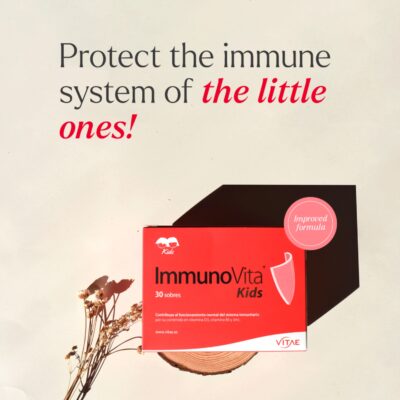
Support your family’s immunity with ImmunoVita Kids, a natural formula with scientifically recognized ingredients that contribute to normal immune system function — designed especially for children during virus season.
Myths and Facts About School Viruses
What Works and What Doesn’t
- “Going out in the cold causes colds.” → False. Cold weather doesn’t cause infections; viruses do.
- “It’s good for kids to get sick to build defenses.” → Partly true. Each mild infection strengthens immunity, but deliberate exposure is not advisable.
- “Supplements replace healthy eating.” → False. They can support immunity but never replace a balanced diet.
Conclusion: Protecting Immunity Is Protecting the Family
School viruses are a normal part of childhood, but with prevention and healthy habits, you can reduce infections and speed up recovery.
Balanced nutrition, adequate rest, and responsible immune support are the best tools to care for children’s defenses and maintain family health throughout the school year.
Strengthening immunity isn’t just about avoiding illness — it’s about teaching children to care for their bodies, understand them, and grow stronger with each winter.