
How to strengthen the immune system quickly is one of the most common searches when we look for ways to boost our defenses against viruses and bacteria. In this 2025 guide, you’ll discover natural strategies supported by scientific evidence, combining nutrition, rest, stress management, and safe complementary supports that comply with European regulations.
What the Immune System Is and Why It Can Weaken
The immune system is a biological network made up of organs, cells, and chemical mediators responsible for defending the body against external agents. Its effectiveness depends on many factors and can temporarily decrease at different stages of life.
Common factors that weaken the immune system:
- Chronic stress and lack of restorative sleep.
- A diet low in fruits, vegetables, and micronutrients.
- Sedentary lifestyle or prolonged inactivity.
- Excessive alcohol or tobacco consumption.
- Deficiencies in vitamins D, C, zinc, or iron.
The main immune cells —macrophages, lymphocytes, and NK (natural killer) cells— work together to detect and neutralize microorganisms. Keeping them balanced is essential for overall health.
Symptoms of Low Immunity: How to Recognize Them Early
Recognizing the signs of a weakened immune system helps you act before recurrent infections appear. Some common signs include:
- Frequent colds or infections.
- Persistent fatigue or weakness.
- Slow wound healing.
- Hair loss or dull skin.
- Digestive discomfort or changes in gut microbiota.
At the first signs, it’s advisable to review daily habits and strengthen nutrition before turning to supplements or specific treatments.
The 5 Pillars to Strengthen the Immune System Quickly
- Nutrition and Essential Nutrients for Your Defenses
A strong immune system starts with a balanced diet. Certain nutrients are recognized by scientific bodies for their role in normal immune function:
- Vitamin D: contributes to the normal function of the immune system (EFSA). Sources: oily fish, eggs, and moderate sun exposure.
- Vitamin C: helps protect cells from oxidative stress. Found in citrus fruits, kiwi, and peppers.
- Zinc and selenium: support cellular responses and the synthesis of immune proteins.
- Beta-glucans: natural fibers from yeast that can activate macrophages and NK cells through receptors such as Dectin-1 or CR3, modulating innate immunity.
Beta-glucans, especially the β-1,3/1,6 type, have been studied for their ability to “train” immune defenses, improving response to common pathogens.
- Moderate Exercise and Restorative Sleep
Regular physical activity strengthens the immune system—provided it’s not excessive. Walking, swimming, or practicing yoga for 30 minutes a day promotes circulation of immune cells.
Sleep is another key pillar. Sleeping 7 to 8 hours per night allows the release of restorative cytokines and reduces the risk of respiratory infections. Chronic lack of rest is linked to greater vulnerability to common viruses.
- Stress and Emotions: How They Affect Your Defenses
Sustained stress raises cortisol levels, a hormone that in excess suppresses immune cell production and slows repair processes. Practicing relaxation techniques—such as mindful breathing, meditation, or outdoor walks—helps regulate cortisol and maintain balanced immunity.
- Hydration and the Gut: Microbiota and Immunity
More than 70% of immune cells are located in the gut. Maintaining a diverse and well-nourished microbiota strengthens the intestinal barrier and enhances immune tolerance.
Basic recommendations:
- Eat foods rich in natural probiotics (kefir, yogurt, sauerkraut, kombucha).
- Include prebiotics such as bananas, oats, and legumes.
- Drink enough water (1.5–2 liters daily).
Beta-glucans may also positively modulate gut microbiota, according to studies published in Frontiers in Immunology.
- Evidence-Based Natural Supplementation
When diet alone doesn’t meet daily needs, some supplements can provide support. They should be chosen for safety and scientific backing.
Ingredients with European support:
- Vitamin D3: contributes to the normal function of the immune system.
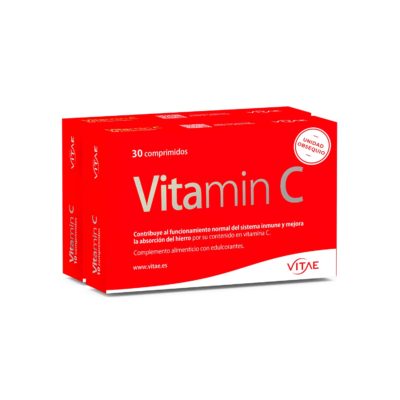
- Vitamin C and zinc: help reduce tiredness and support immune cell function.
- Yeast beta-glucans: shown to induce “trained immunity” in macrophages and improve resistance to mild infections, though results vary among studies.
As with any supplement, quality and dosage matter. Research suggests safe daily amounts of 100–500 mg of beta-glucans, depending on type and formulation.
Scientific Evidence: Micronutrients Approved by EFSA for Immune Support
The European Food Safety Authority (EFSA) has evaluated several nutrients with recognized functions in immune support:
- Vitamin D: contributes to the normal function of the immune system. Safe upper limit (UL): 100 µg/day for adults.
- Vitamin C: supports normal immune function and protects against oxidative stress.
- Zinc: involved in cell division and innate immune response.
- Selenium: helps maintain oxidative balance and normal immune function.
These nutrients should preferably come from a balanced diet, using supplements only when necessary.
How ImmunoVita Can Help You (Natural and Safe Support)
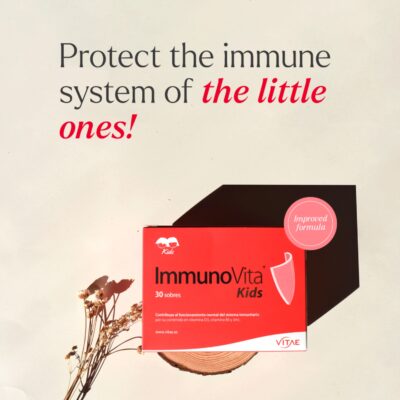
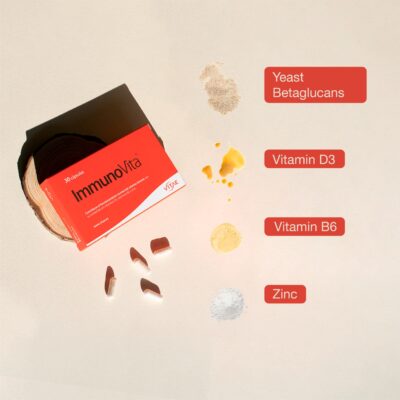
ImmunoVita is a dietary supplement combining beta-glucans, vitamin D3, vitamin B6, and zinc. All these ingredients are scientifically recognized in Europe for their role in maintaining normal immune function.
Main benefits:
- Support for innate immunity through yeast beta-glucans.
- Contribution to cellular response via vitamin D3 and zinc.
- Reduction of fatigue thanks to vitamin B6.
Its formulation provides natural support—without therapeutic claims or promises of immediate results.
Frequently Asked Questions About Strengthening Your Defenses (FAQ)
How long does it take to strengthen the immune system?
It depends on your initial condition. With healthy habits and proper nutrition, improvements can appear within a few weeks.
Which foods best strengthen the immune system?
Citrus fruits, leafy greens, nuts, mushrooms, and whole grains for their content in vitamins, minerals, and beta-glucans.
When should you consider using an immune supplement?
During periods of stress, high physical demand, or diagnosed nutritional deficiency—always under professional guidance.
How can I tell if my immune defenses are low?
Persistent fatigue, recurring infections, or dull skin suggest it’s time to review your diet and lifestyle.
Which habits weaken the immune system?
Lack of sleep, chronic stress, inactivity, smoking, and alcohol all reduce immune capacity.
Scientific Sources and References
- EFSA Journal (2015): Scientific Opinion on Vitamin D and Immune Function.
- PubMed: Effects of β-glucans on immune cell modulation.
- Frontiers in Immunology (2020): Trained immunity induced by β-glucans.
- AESAN: Recommendations on dietary supplements for the adult population.
- NIH: Micronutrients and Immunity Overview.