
When the body detects a virus, bacterium, or other infectious agent, it switches into defense mode. The immune system launches a perfectly coordinated response: it identifies the invader, attacks it, eliminates it, and then repairs the damage. During this process, symptoms such as fever, inflammation, or fatigue appear — and far from being negative, they show that the body is doing exactly what it should.
How the Body Recognizes an Infection
The immune system acts as a constant surveillance network, analyzing everything that enters the body. When it detects foreign molecules (antigens), it sounds the alarm: white blood cells activate and release defensive substances that cause inflammation, fever, or general discomfort.
Recognizing the start of an infection is key. Early signs often include unusual fatigue, mild fever, sore throat, swollen lymph nodes, or body aches. Responding early — by resting, staying hydrated, and supporting the immune system — helps the body fight infection more effectively and recover faster.
What Happens Inside the Body When the Immune System Activates
When an infection occurs, the body works at full capacity:
- Fever raises body temperature to slow down the growth of viruses and bacteria.
- Fatigue results from the energy demand of keeping the immune defenses active.
- Inflammation directs blood flow and immune cells to the affected area to repair tissue.
- Lymph nodes swell because they house millions of white blood cells in action.
These symptoms are not the problem — they are proof that the body is fighting back effectively.
The Difference Between Viral and Bacterial Infections
Not all infections are the same, and understanding their origin helps determine the right response:
- Viral infections: caused by viruses that need to invade body cells to reproduce. The immune system eliminates them directly; antibiotics are ineffective.
- Bacterial infections: caused by bacteria that can multiply outside cells. Some require antibiotic treatment, always under medical supervision.
Knowing the difference helps avoid unnecessary treatments and reduces the risk of antibiotic resistance.
Why Fever, Inflammation, and Fatigue Occur
These three symptoms are part of the body’s normal defense mechanisms and each serves a specific function:
- Fever is a biological strategy: by raising body temperature, the environment becomes less favorable for pathogens, while immune activity increases.
- Inflammation occurs when blood vessels dilate to allow a massive flow of white blood cells to the affected area.
- Fatigue reflects the body’s energy investment in keeping immune defenses running.
Managing these symptoms is important, but suppressing them unnecessarily can slow recovery.
What Happens Next: The Recovery Phase
Once the immune system has defeated the pathogen, the repair phase begins. Damaged tissues regenerate, inflammation decreases, and memory cells retain information about the microorganism.
Thanks to this immune memory, if the body encounters the same pathogen again, it reacts faster and more efficiently.
Adequate sleep, proper hydration, and a balanced diet are essential to consolidate recovery and strengthen long-term defenses.
How to Strengthen Your Immune System for Future Infections
Preventing new infections means taking care of your body consistently:
- Eat a diet rich in fruits, vegetables, and quality proteins.
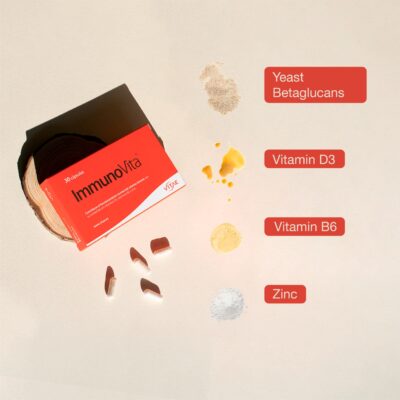
- Maintain healthy levels of vitamin D and zinc, both essential for immune response.
- Sleep seven to eight hours each night.
- Exercise moderately on a regular basis.
- Avoid chronic stress, tobacco, and excessive alcohol.
- Wash your hands frequently and ventilate enclosed spaces.
These habits not only reduce the risk of getting sick but also help you recover more quickly when infection occurs.
Frequently Asked Questions
Why does my fever rise when I’m sick?
Fever is controlled by the brain. The hypothalamus raises body temperature to create an environment less favorable for pathogens. It also stimulates white blood cell activity and accelerates immune responses. Though uncomfortable, moderate fever is a natural ally, not an enemy.
Why do I lose my appetite when I’m ill?
During infection, the body prioritizes energy use for the immune system. Appetite loss is an adaptive response — it saves energy that would otherwise go to digestion and reduces the chance of consuming contaminated food. Even without appetite, staying hydrated and eating light meals aids recovery.
Why do lymph nodes swell?
Lymph nodes act as immune filters. During infection, they store lymphocytes and macrophages working to destroy pathogens. This activity causes temporary swelling. Once the infection is resolved, the nodes return to normal size.
How long does recovery from an infection take?
It depends on the type of infection, age, and overall health. A common cold may clear in a few days, while more complex infections may take weeks. Proper rest, hydration, and stress reduction speed up recovery.
Why do I feel tired even after getting better?
Even after the pathogen is gone, the body continues repairing tissues and balancing residual inflammation. This ongoing internal effort consumes energy, so lingering fatigue for several days is normal.
Are immune-boosting supplements helpful?
It depends. A balanced diet is often enough, but during periods of higher demand — such as winter or recovery from illness — certain supplements (vitamin D, vitamin C, zinc) can offer support when recommended by a healthcare professional.
How can I tell if I have an infection?
Early signs include mild fever, fatigue, general discomfort, or swollen lymph nodes. You may also notice localized pain or changes in appetite and sleep. Recognizing these signs early allows for a faster and more effective immune response. If symptoms persist or worsen, seek medical advice.
Understanding Your Body’s Signals During Infection
The symptoms of infection are not signs of weakness — they are signs of response and adaptation. Fever, inflammation, and fatigue show that the immune system is active and doing its job. Listening to these signals, giving yourself time to rest, and maintaining healthy habits accelerate healing and prepare the body for future challenges.
Learning what happens in your body during infection means understanding its natural intelligence. Every controlled fever, every inflammation that subsides, leaves a positive mark on your immune system. It means your body has done what it’s designed to do: protect, repair, and grow stronger.